Objective
The project followed the Double Diamond method, which helped us clearly define the app's purpose from the start: to offer comprehensive support to air travelers facing common issues such as delays, cancellations, lost luggage and overbooking. This clarity guided every stage of the process.

1. Planning and Strategy
1.1 Competitors
- Mova.me
- Resolvvi
- Airhelp
- Naovoei
1.2 Definition and Goals
The CSD matrix was used to define the production starting point, based on the MVP principle.
- App goal: help people who have had problems with airlines and want legal assistance for future trips.
- Platform: website and mobile app for Android and iOS.
- Target audience: travelers who have had problems with airlines and want assistance with future trips.
1.3 Feature Identification
- Flight status tracking
- Legal assistance
- Community
- Baggage tracking
- Flight information
- Personalized notifications
- Customer support
1.4 Insights from initial interviews
- Identify the main use-case scenarios for early legal assistance.
- Understand user expectations regarding legal support during trip planning.
- Assess users' understanding of their legal rights when flying.
2. Initial Research
2.1 Competitive Analysis, Benchmarking and Points of Interest
An initial competitor analysis showed that, due to airline regulations, the service on offer ends up being similar to competitors'. However, after the initial user interviews, we found that none of the competitors have an app that helps with early trip planning.
2.2 Initial interviews with department leads
Insights gathered during the interviews and usability testing were collected and categorized.
3. Persona Definition and Customer Journeys
3.1 Persona Creation
Based on sign-up data and initial research, personas representing the different types of customers were created.
3.2 Customer Journey Mapping
Understand customer journeys from first contact through to sign-up in the app.
4. Ideation and Prototyping
4.1 Brainstorming Session
Ran the first sprint to validate the initial prototypes with the responsible departments and align the app's and site's features.
4.2 Concept Selection and Rapid Prototyping
Select the most promising concepts generated during ideation, weighing criteria such as the technical feasibility of the required integrations, user impact and alignment with the project's goals. These alignments were essential for quickly ideating the low-fidelity prototypes.
4.3 Stakeholder Review
Reviews were held with stakeholders, including members of the development and design teams and other interested parties, to gather additional insights and validate design decisions.
5. Usability Testing
5.1 Usability testing and research
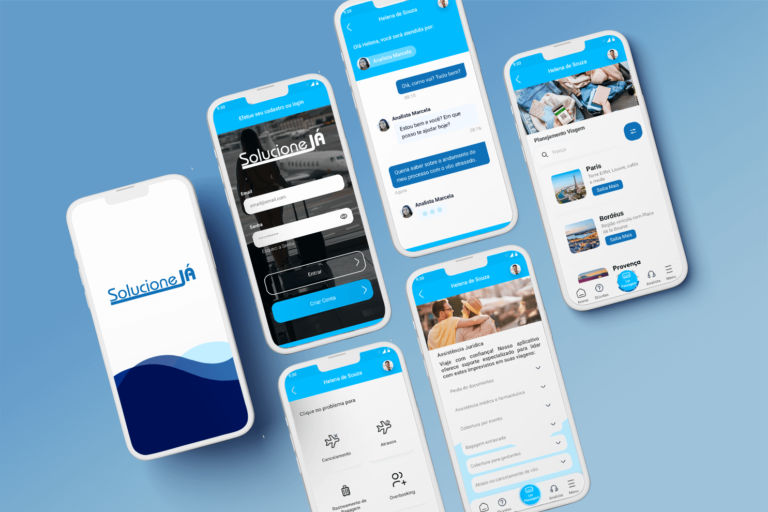
After the high-fidelity prototypes were built, usability tests were run with 5 existing customers and 5 new users representative of the target audience, alongside surveys and qualitative and quantitative feedback.
5.2 Test Data Analysis
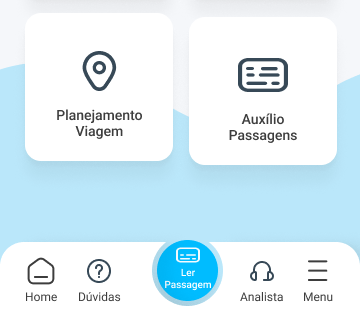
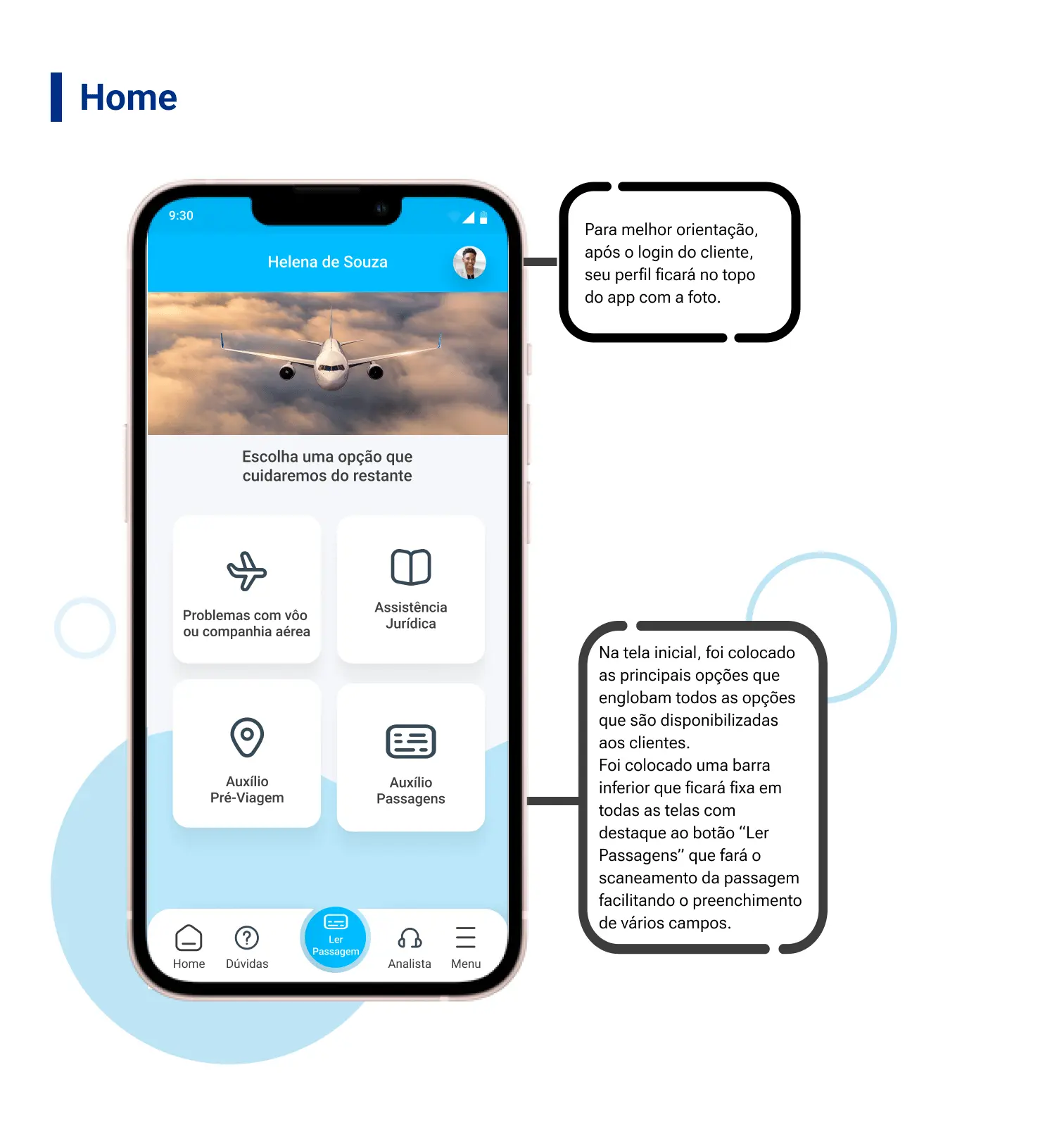
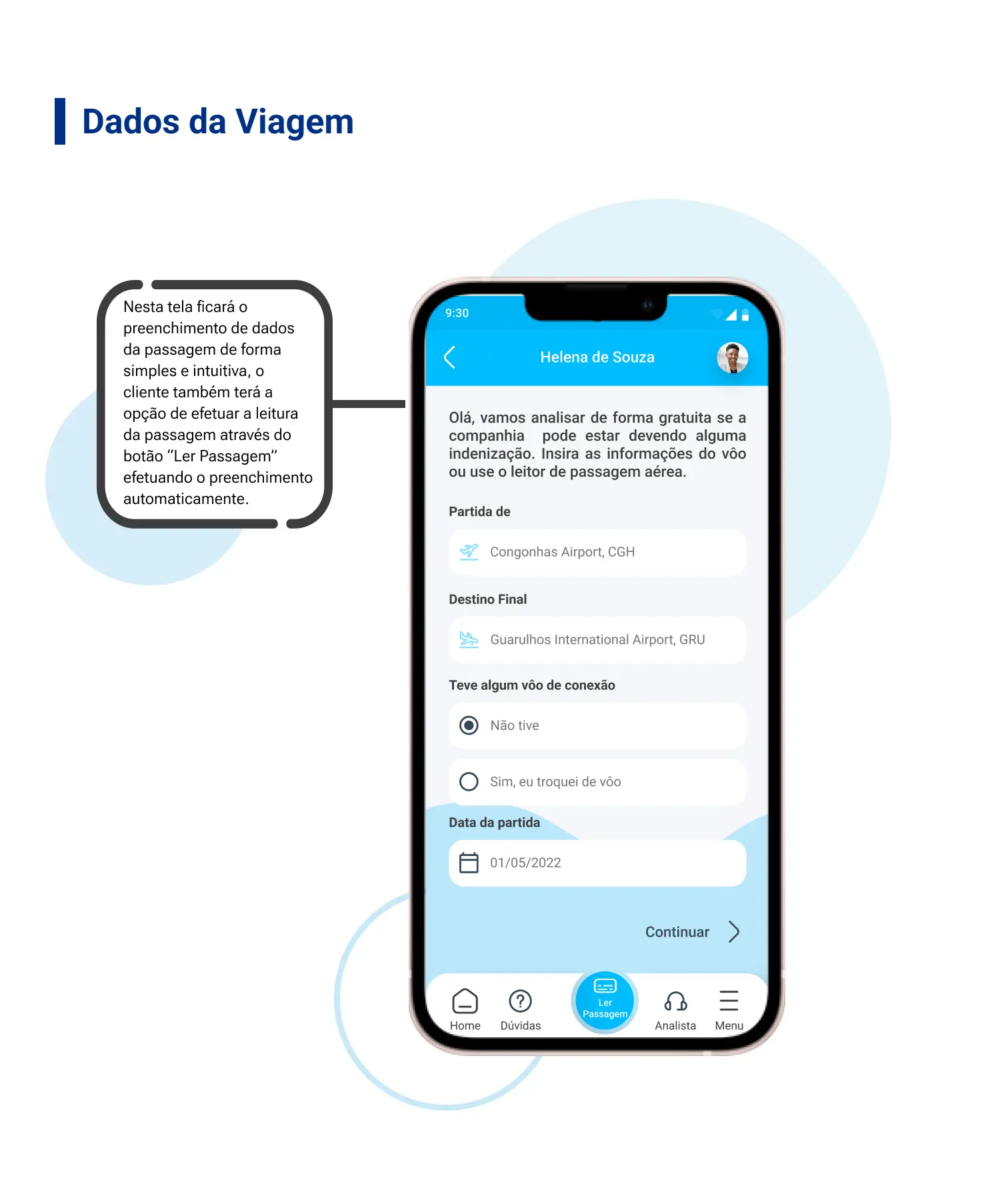
After collecting the test data and identifying patterns, friction points and opportunities for improvement, a few essential features emerged, such as the ticket-scanning button.
5.3 Design Iteration
Based on the usability testing findings, iterate on the product design, making adjustments to address identified issues and improve the user experience.
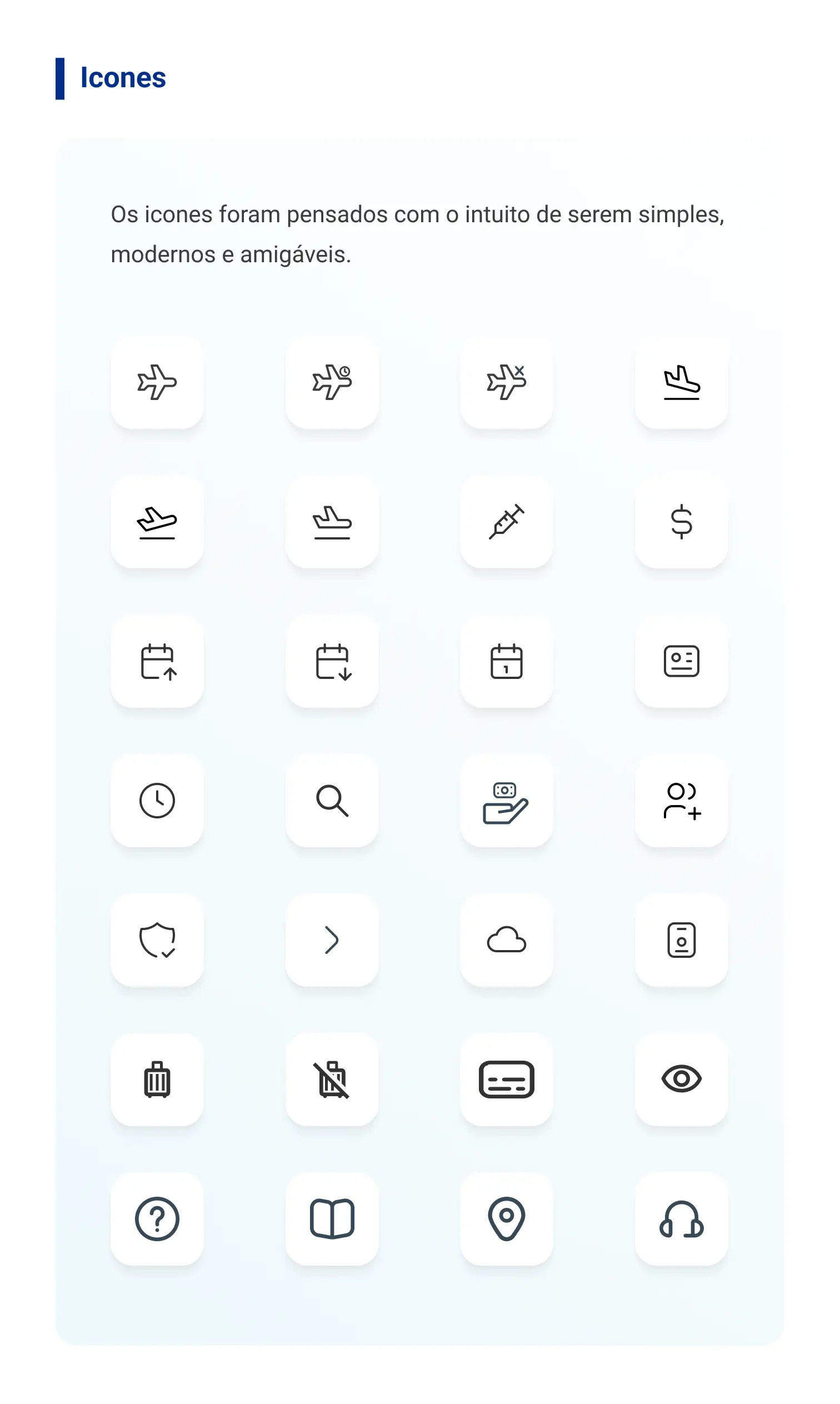
6. Implementation and Launch
6.1 Development Wrap-up and Final Testing
- Completed the necessary adjustments according to the weekly sprints.
- Successful product launch.
- Resolved critical post-launch issues.
- Collected user feedback for future improvements.
- Complete, up-to-date documentation.
Carry out the necessary integrations, develop and ship improvements for users, ensuring the product is stable, efficient and meets expectations.
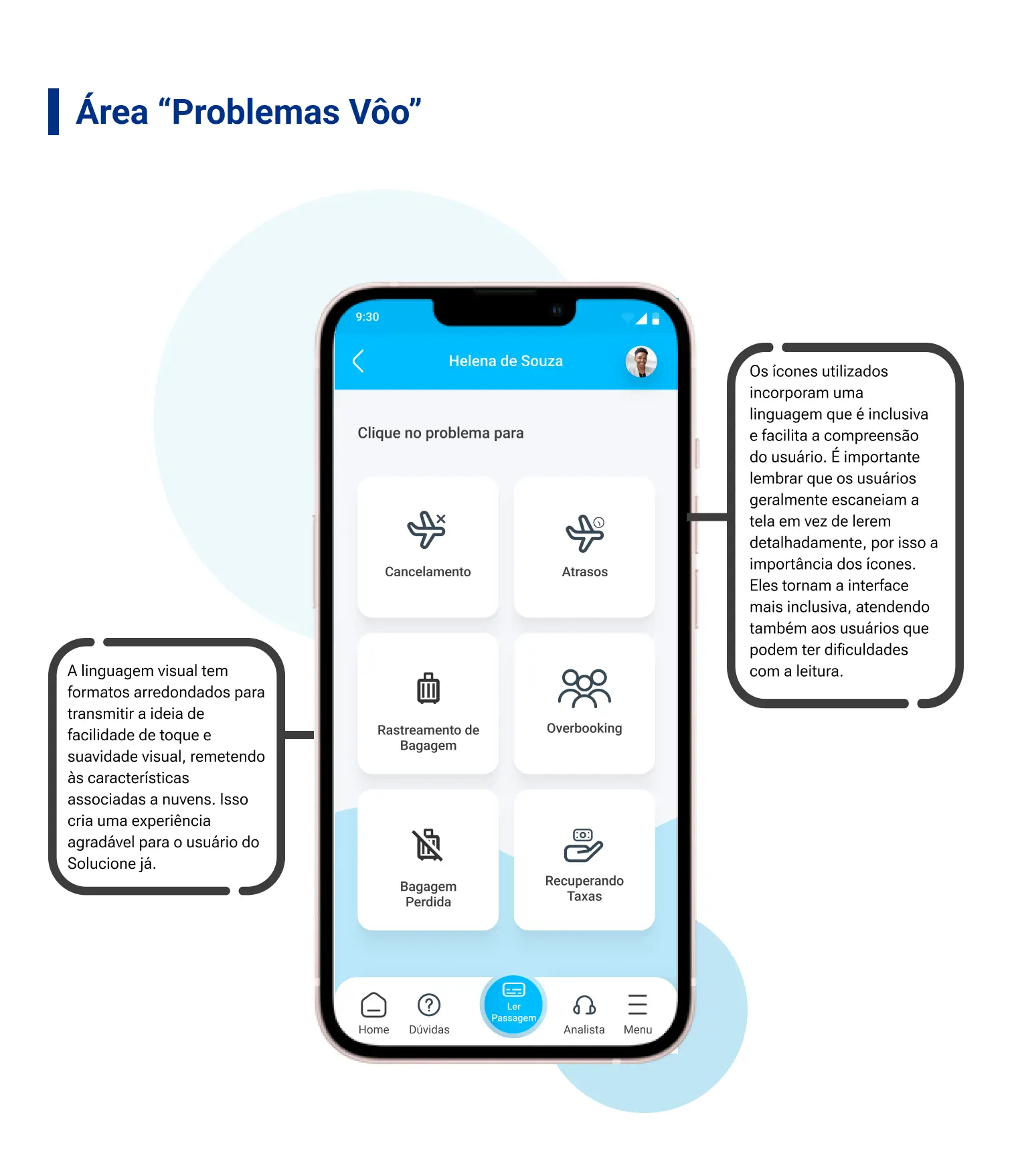
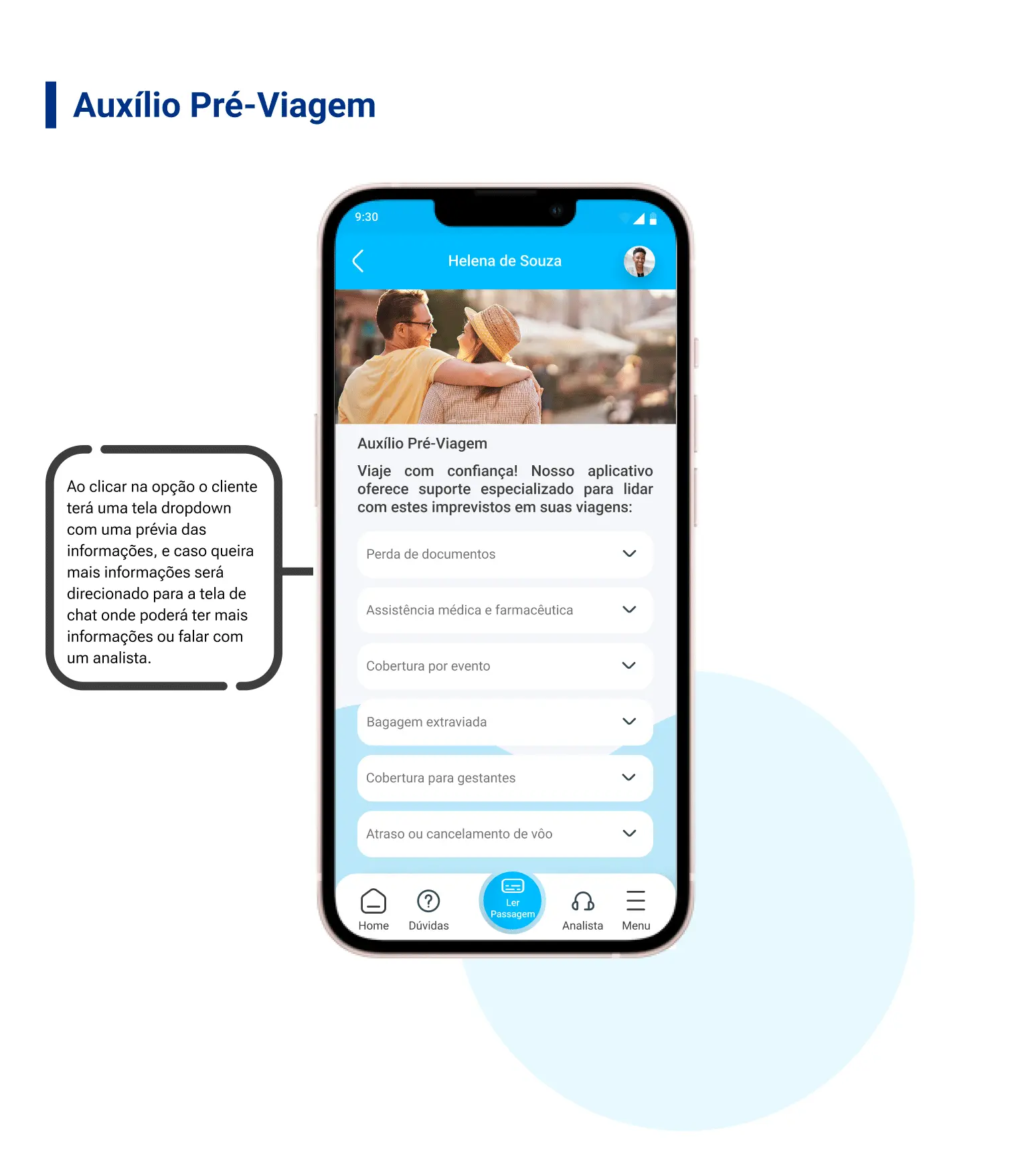
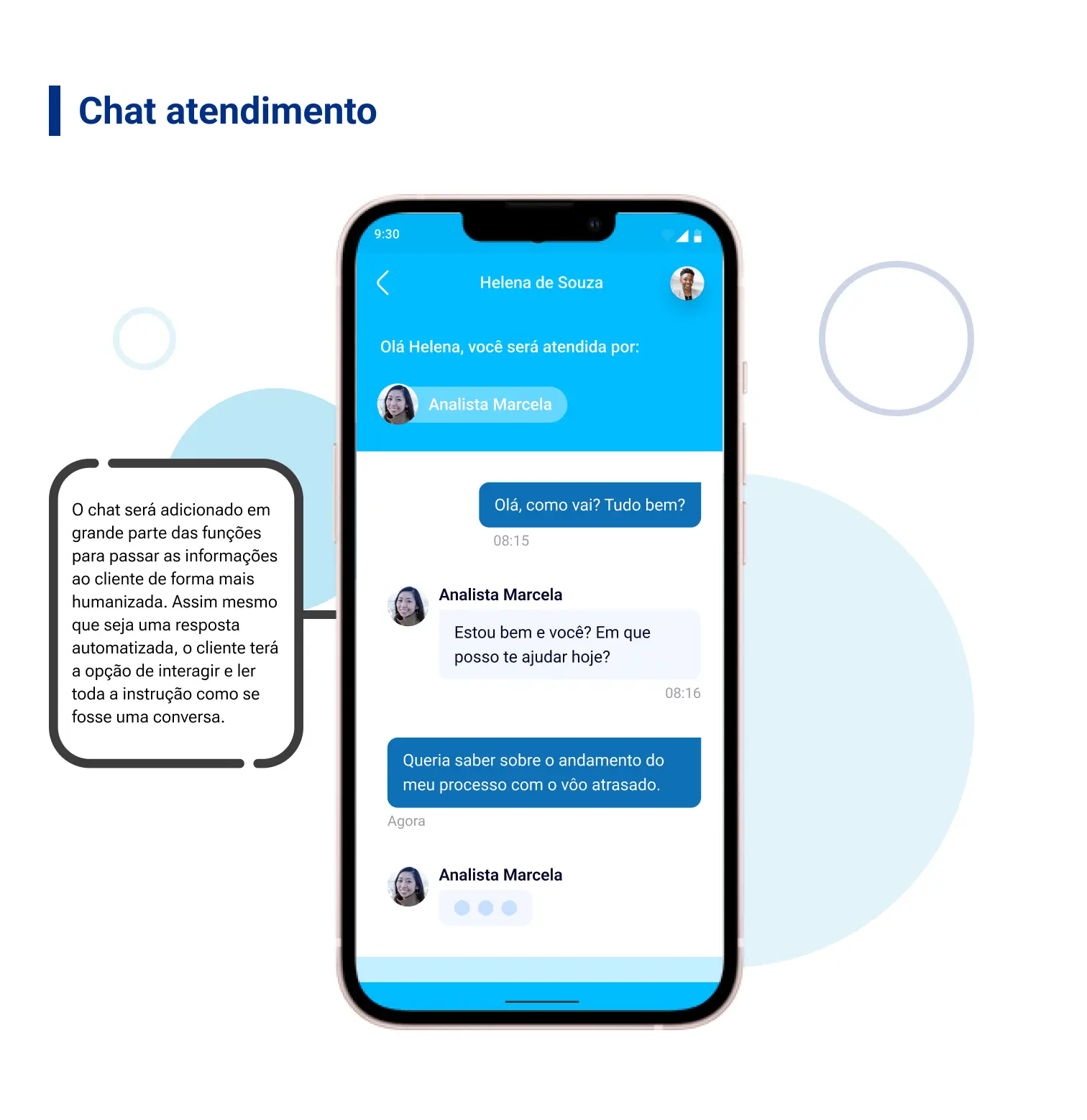
Final screens
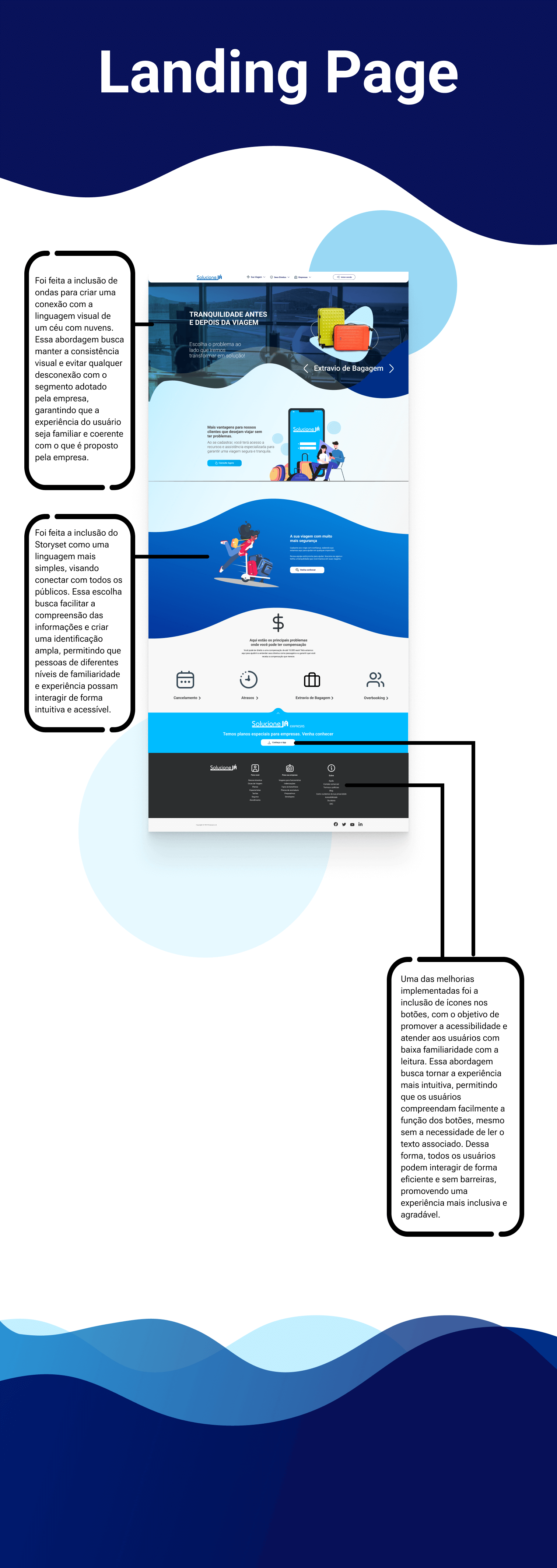
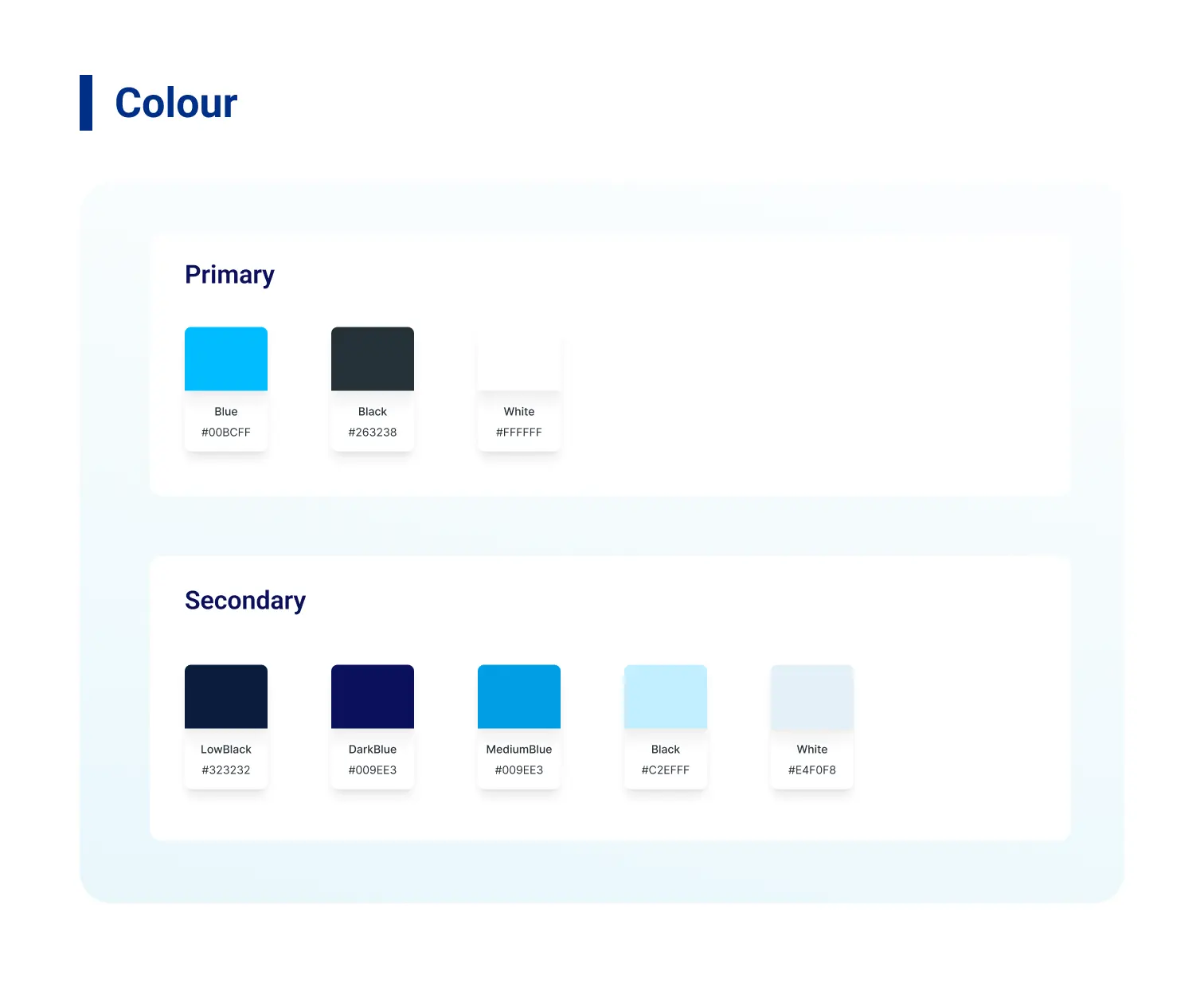
The delivered screens, with the interface decisions annotated: what each choice solves, and why.
Results
Although the project isn't fully finished, it has generated positive results with some clients selected for testing. By the end of the rollout, these were some of the results to be implemented:
- Personalized pre-trip assistance
- Adaptable insurance options
- Continuous, comprehensive support
- Transparent communication
Note: this is a summary of the project; some data and research were omitted at the company's request.