Objective
The goal of this project is to conduct UX research to identify the best way to optimize sales, organizing products more effectively and practically.
1. Planning and Strategy
1.1 Competitors
Lojão Orru and Maravilhas do Lar.
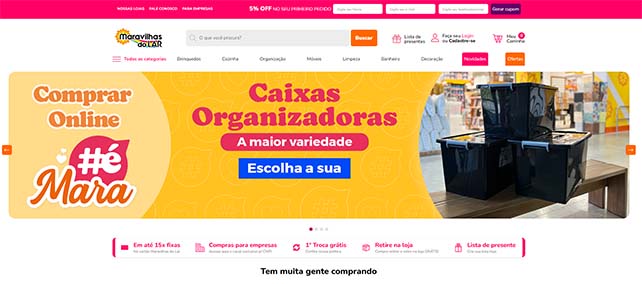
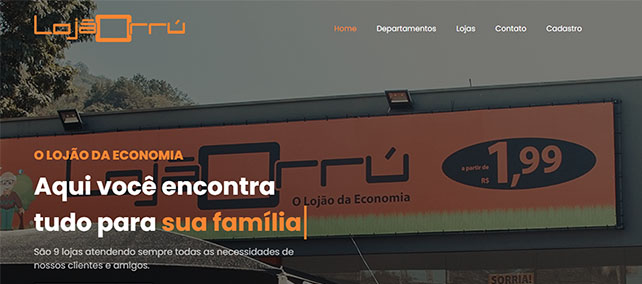
1.2 Objective Definition
Detailed understanding of the research objective: increasing sales efficiency through shelf organization.
1.3 Stakeholder Identification
Identify and involve stakeholders, such as store managers, sales staff and, where possible, customers.
1.4 Success Metrics Definition
Establish KPIs to measure the success of the sales optimization, such as increased average ticket size and conversion rate, among others.
2. Initial Research
2.1 Competitive Analysis
Survey of strategies adopted by competitors in product organization.
2.2 Initial Interviews with Department Heads
Conducting interviews with store managers and sales staff to gather insights and suggestions for the optimization.
3. Persona and Customer Journey Definition
3.1 Persona Creation
Based on customer records and the initial research, personas were created to represent the different types of supermarket customers.
3.2 Customer Journey Mapping
Understand customer journeys from entering the store to completing the purchase.
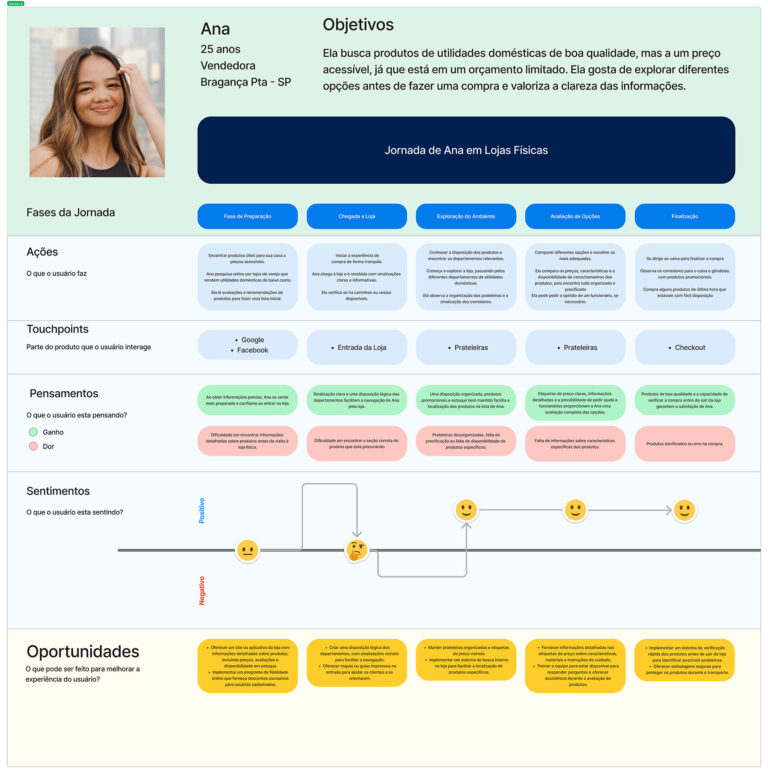
Empathy Map
- Thoughts and feelings: Ana is excited to buy affordable products, as she is mindful of a limited budget. She looks for good-quality products at accessible prices.
- Pain points: concern about the budget when buying essential items for the home; difficulty finding good-quality products without spending too much money.
- Needs: clear information about products and their prices; a variety of affordable options to choose from; staff assistance whenever she has questions about products.
- Behaviors: Ana researches social media before visiting the brick-and-mortar store for recommendations; she compares different options and reads reviews to make sure she is making the best choice.
- Environment: Ana prefers retail stores with good organization, making it easier to find the products on her list.
- Challenges: finding the balance between quality and price when choosing products for her home; navigating the brick-and-mortar store efficiently to make the most of her available time and budget.
4. Research Methodology
4.1 Data Collection Method
Choosing research methods such as interviews, observations, questionnaires and sales data analysis.
4.2 Sampling
Determine the sample size and selection criteria for research participants.
5. Data Collection
5.1 Customer Interviews
Conduct individual interviews with customers to understand their preferences and purchasing behavior.
5.2 In-Store Observations
Carry out in-store observations to understand how customers view the store and interact with the shelves.
5.3 Satisfaction Questionnaires
Distribute questionnaires to get direct customer feedback on shelf organization.
Interviews were carried out every 3 months and split into quantitative and qualitative research. Quantitative: a questionnaire with up to 15 questions was typically sent to 50 people, averaging 20 to 30 responses. Qualitative: this was split into two formats. The first, online, with up to 8 interviews; and the second with customers who agreed to take part while shopping in the stores. These interviews were conducted in the store itself, with up to 12 people across 3 different stores.
6. Data Analysis and Interpretation
6.1 Data Processing
Analyze the collected data and categorize it to extract meaningful insights.
6.2 Pattern and Trend Identification
Identify purchasing behavior patterns and customer preferences.
6.3 Insights and Recommendations
Generate insights and recommendations based on the data analyzed.
7. Implementation and Evaluation
7.1 Implementation Plan
Develop a plan to implement the changes to shelf organization.
7.2 Pilot Testing
Run pilot tests to evaluate the effectiveness of the new shelf configurations.
7.3 Ongoing Monitoring and Analysis
Establish a monitoring process to measure the impact of the changes over time.
Results
The project journey was designed to give customers an intuitive, comfortable and satisfying shopping experience.
Variety stores known as "1.99 stores" have always been known for affordable prices and a huge range of products, but they had also gained a reputation for poorly organized products, which led to a poor shopping experience. Because of this, every step was designed to meet the needs and expectations of every customer, helping them find the right products, with in-store product organization supporting the shopping journey.
At the end of the rollout, these were some of the results:
- A 6% increase in average ticket per customer.
- An 8% increase in sales of promotional products.
- Positive customer feedback regarding the clarity of item organization.
- A decrease in pricing errors.
- Standardization of the housewares and food section layout across all stores.
Note: this is a summary of the project; some data and research were omitted at the company's request.